Case study 03 · Lead UX Designer · 2016 → 2018
GVC · Entain
One cashier, about 15 brands, and the people who had to adopt it.
- average deposit value in tested markets
- 4x
- €10 → €40 · €500 → €2,000
- second-deposit rate
- 2% → 8%
- Quadrupled
- time to a successful deposit
- <6 s
- Down from 20 s
- deposits once the cashier became an in-context overlay
- +15%
- Same flow, new context
In short
Álvaro Velasco led the GVC cashier redesign in 2017 → 2018. The work redesigned the group’s most-used page and seeded a design language across about 15 brands. In tested markets, average deposit value rose 4x, second deposits went from 2% to 8%, and time to success fell from 20 seconds to under 6.
01 · The system
About fifteen brands with reasons to stay different.
GVC, now Entain, ran a white-label platform behind brands like bwin, PartyPoker, PartyCasino, Sportingbet and FoxyBingo. Sportsbook, casino, bingo and poker each had their own rhythm, markets and regulators.
The cashier was the most-used page in the estate, and most users failed at least once when making a deposit.
02 · Assumption
A component library would bring coherence.
Build the parts once, theme them per brand, and consistency follows.
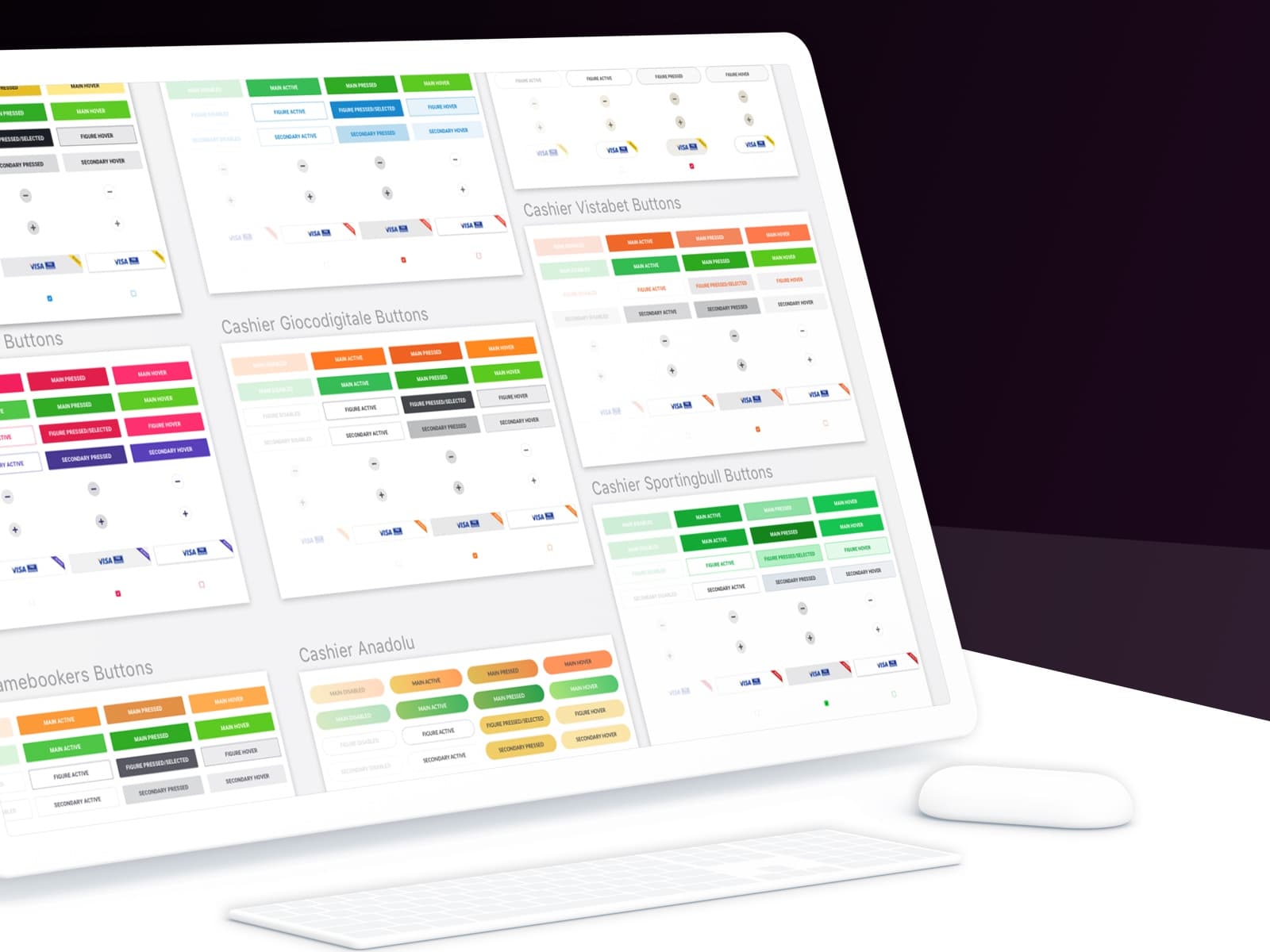
Every state, every variant. The taxonomy that held the system together across about 15 brands.
03 · Evidence
A system nobody adopts is not a system.
Each brand team had good reasons to keep its differences. Coherence across about 15 brands was an organisational adoption problem as much as a component problem.
So the work became deciding what was standard and what deliberately stayed flexible, and negotiating that with the teams who owned each brand.

The first Tarifa workshop. Sketches on paper, prototypes on screen, the same evidence in front of every person at the table.

Lunch in Tarifa, between workshop sessions. The team that shipped the cashier.
04 · Decision
Design the portal once. Let the flavour vary.
Self-exclusion, login, account creation, settings and the cashier were designed once and launched across every brand. Buttons, steppers, card chips and checkboxes shared one model, themed per brand.
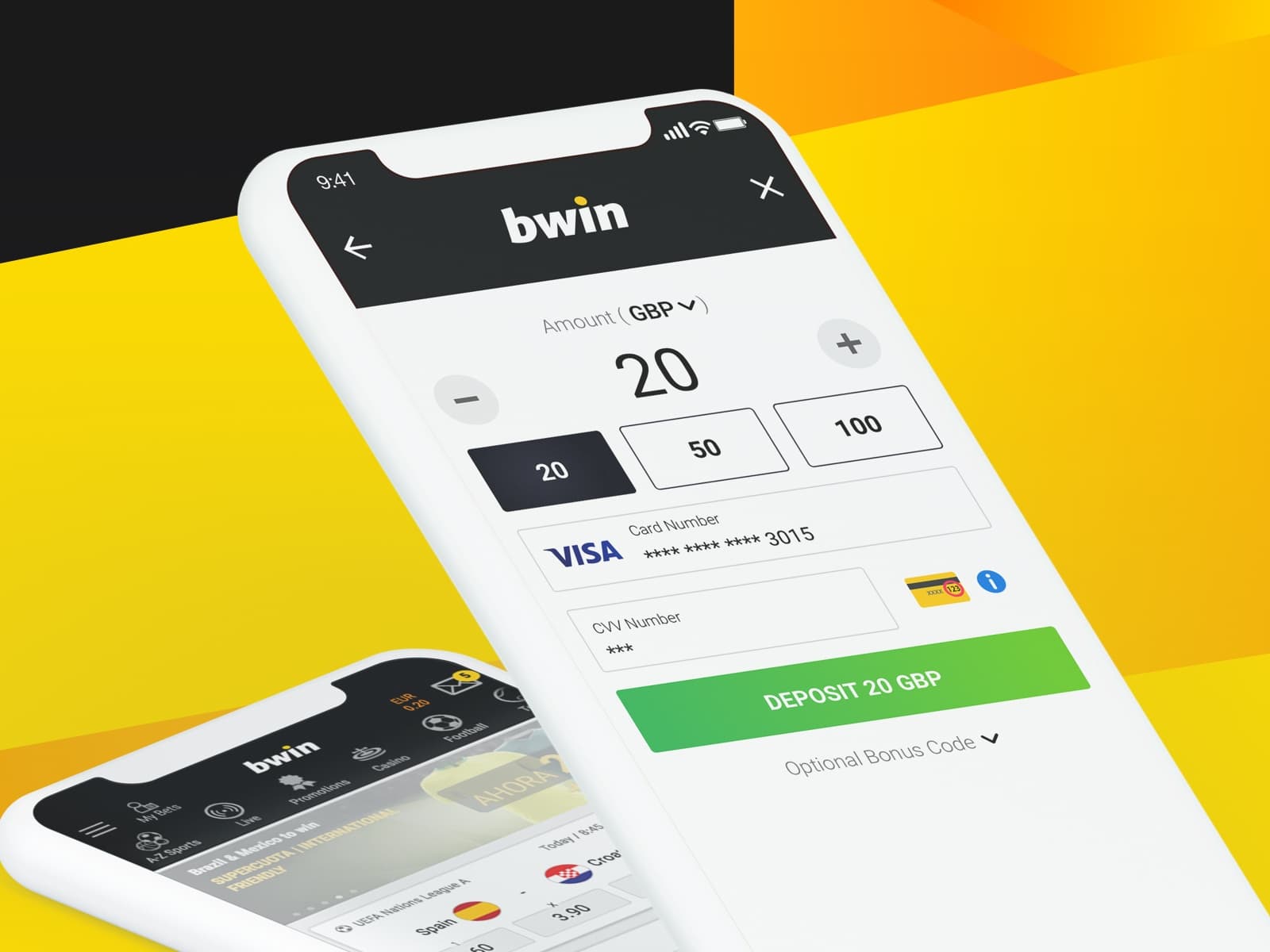
Two workshops in Tarifa shaped the cashier: store the card so players only confirm the amount and CVV, offer amount chips, and turn the amount into a big number with +/− buttons whose steps adapt to the player.
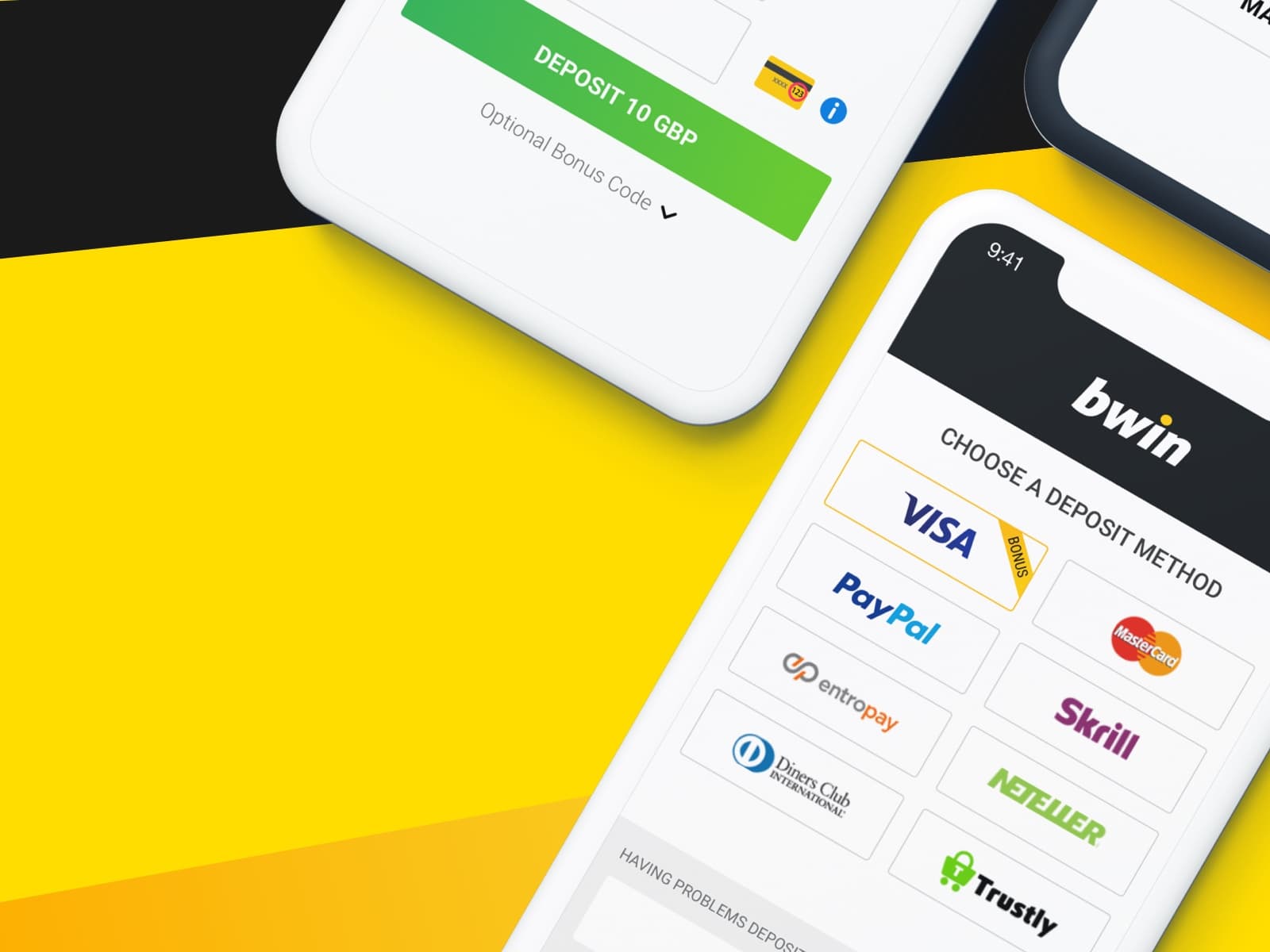
The full form, post-redesign. Stored card, structured fields, predictable rhythm.
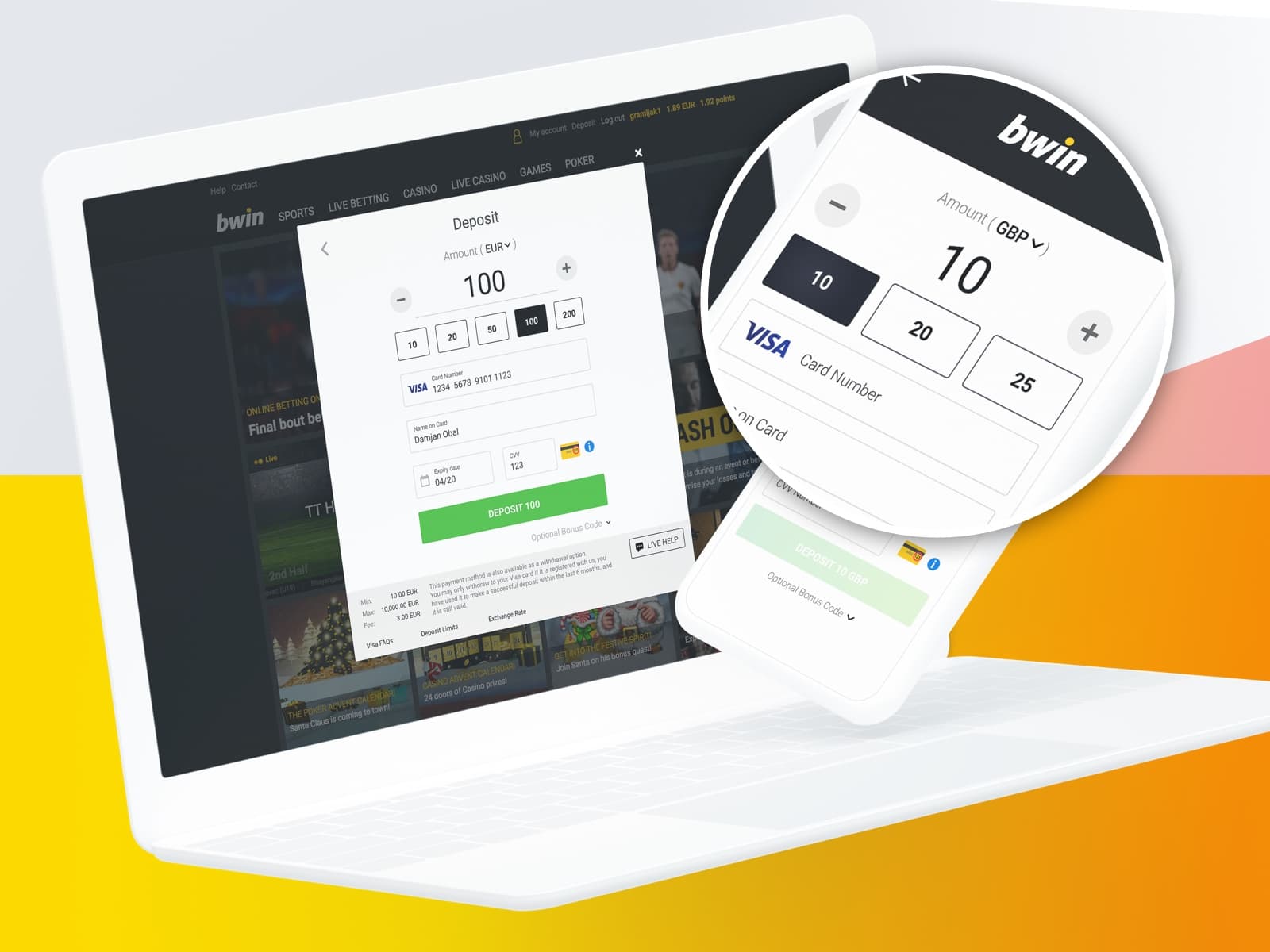
Desktop and mobile, same visual language, same +/- amount control.
05 · Result
Four times the deposit value.
Tested first on a smaller market, where experiments were cheaper, then rolled out: average deposit value up 4x (€10 to €40 for low-value players, €500 to €2,000 for VIPs), second deposits from 2% to 8%, and time to success from 20 seconds to under 6.
The lesson
Adoption was part of the design problem.
The component library wasn’t the interesting part. Getting about 15 brands, many teams and several regulators to use it, and leaving the right things flexible, was.
Design details
Remove the trip, not just the fields.
The analytics team found that players almost never changed their deposit currency, so the currency picker became a passive label. Saved cards reduced the repeat work to confirming the amount and CVV.
The cashier became an in-context overlay: saved card, CVV already focused and an amount the player was likely to choose. In tested markets, total deposits rose 15%. The same flow stopped taking people away from what they were doing.
The amount became the centre of the page, with +/− buttons on either side and steps adapted to the player. Typing a specific amount remained available; tapping became the default.
Total deposits did not fall as average deposit value increased. Returning players could complete a deposit in 3 taps.
Scope and team
A small project team, a wider system.
The cashier project ran in 2017 → 2018 with 1 PM and 5 UX designers, including me as lead. The wider UX team had 8 people across portal and gaming.
I owned the cashier redesign, the +/− amount control, the multi-brand button system and the design language. I influenced conversion strategy, deposit-value optimisation and the multi-brand rollout.
The rollout reached the wider GVC estate in waves through 2018. Brands included bwin, PartyCasino, Vistabet, Sportingbet, Gamebookers, Sportingbull, Anadolu and Giocodigitale.
Looking back
What I’d do differently.
I would measure the experiment by brand, not only in Sportingbet. The pattern transferred, but the size of the effect could differ between audiences. I would also document the component system from the start, alongside the implementation.
Want the version for your context? Email me.