Case study 04 · Product & UX Designer · 2018 → 2021
Fretello
Testing that the tech works is not testing that the interaction works.
- sign-ups in WWDC week, from about 80 to about 1,200
- 15x
- June 2019
- countries where it was App of the Day
- 127
- App Store
- week-one retention after the Learn Path
- +35%
- Benchmarked with SUM
- trial-to-paid conversion
- +20%
- Same release
In short
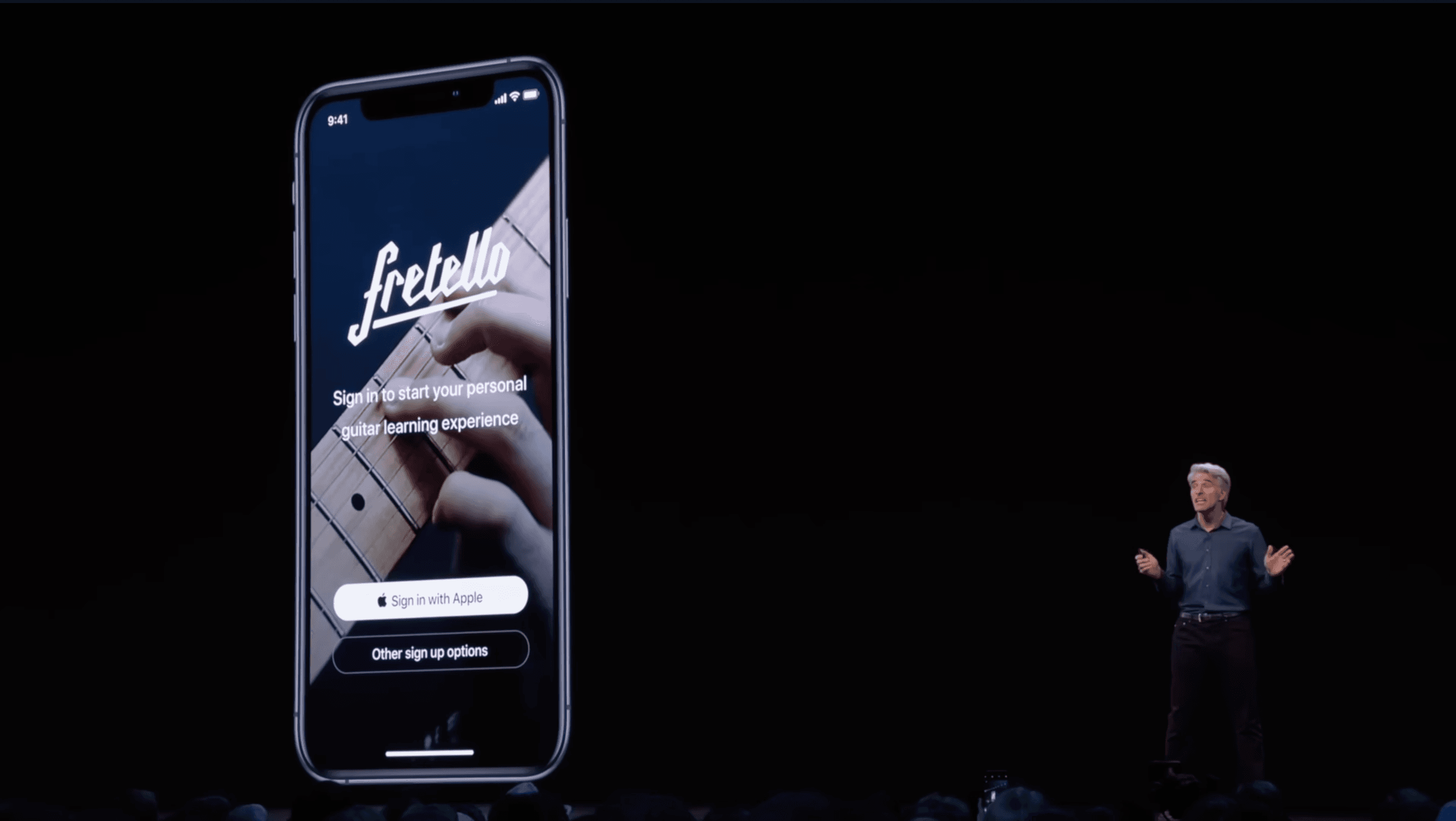
Álvaro Velasco designed the Fretello Learn Path and the Sign in with Apple sign-up flow. The Learn Path improved week-one retention by 35% and trial-to-paid conversion by 20%. The sign-up redesign appeared in Craig Federighi’s WWDC19 keynote on 3 June 2019; sign-ups rose from about 80 a week to about 1,200.
01 · The system
An AI guitar coach that listens to you play.
Fretello listened to beginners play and gave real-time feedback: what you played, and where your fingers should go. Most learners had almost no guitar experience.
Week-one retention was under 20%, and 80% of activity happened in the very first courses.
02 · Diagnosis
Beginners didn’t need more content. They needed a path.
I surveyed learners: 68% had almost no experience and 84% asked for clearer guidance. A workshop with the team produced a roadmap, not a deck, and we shipped the Learn Path, one guided route for absolute beginners.
Two prototypes competed and neither clearly won, so we benchmarked them and shipped a combination. Week-one retention rose 35%.
The survey reached 60% of learners. We entered the workshop with survey results, retention curves and the gaps in the heatmap. That evidence changed the discussion from opinions about what to build to a shared decision about what beginners needed next.
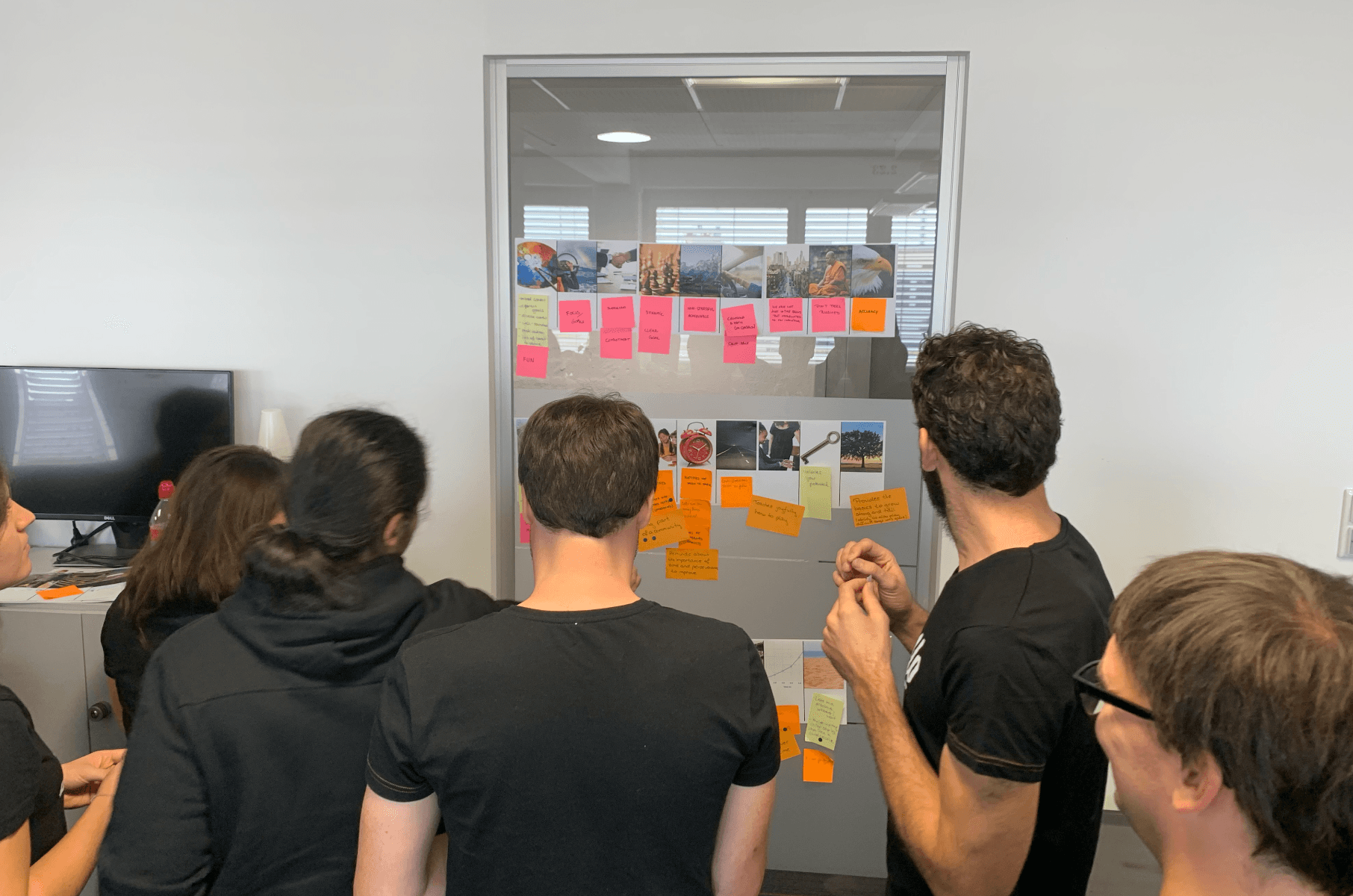
The Learn Path workshop. Evidence on the wall, team in the same room, ideas getting cheaper to test.
03 · WWDC19
Apple Park, two weeks under NDA.
We pitched Mirror UI, an overlay showing where to place your fingers. It wasn’t ready for a keynote, so Apple proposed something else: the feature that launched as Sign in with Apple.
I designed a sign-up flow with one-tap sign-in at its centre, using the Learn Path videos as breathing space. Craig Federighi demoed it on stage on 3 June 2019. Sign-ups went from about 80 a week to about 1,200.
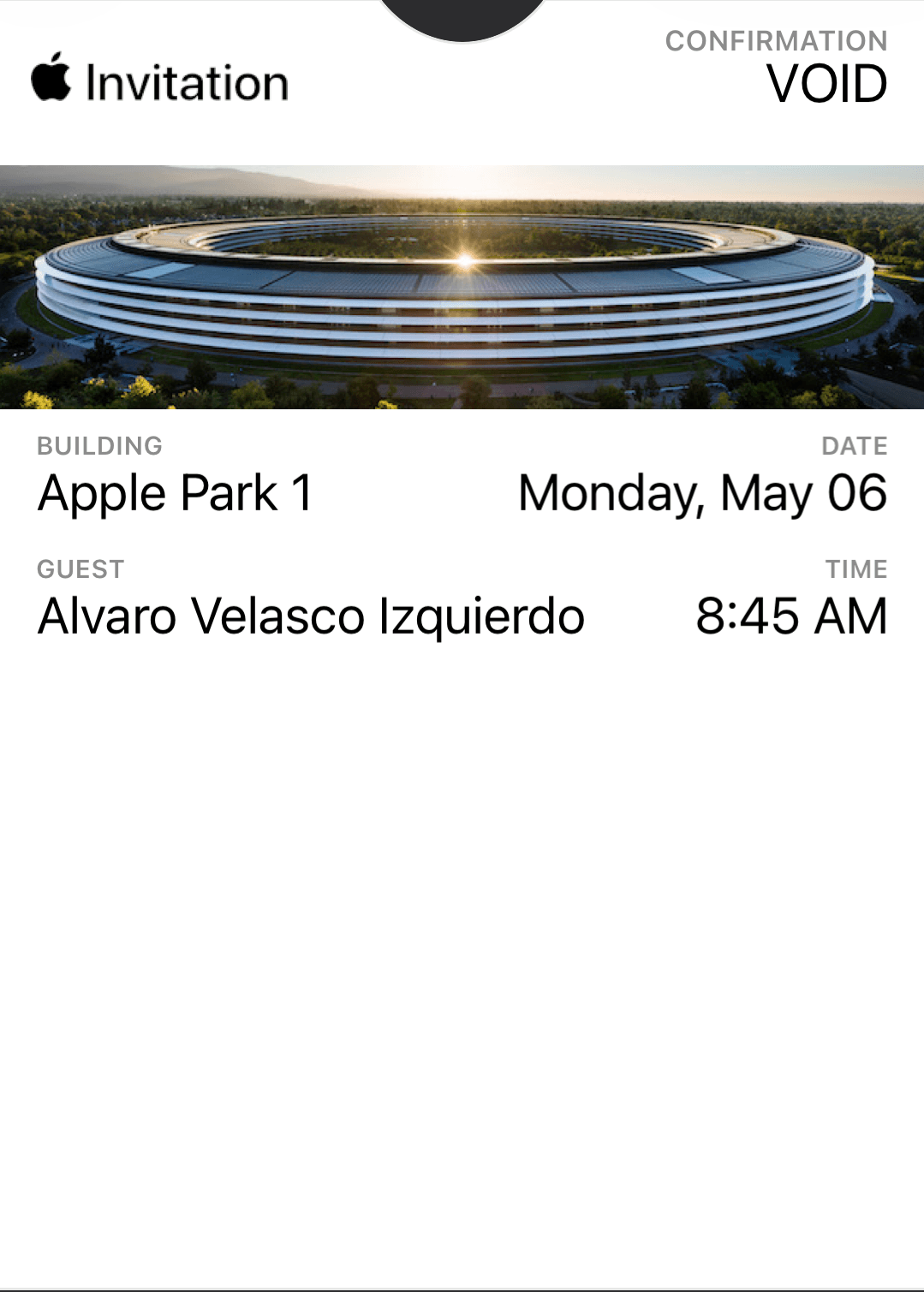
My Apple Park 1 invitation, May 6, 8:45 AM.

With Wolfgang Damm, our CTO, just outside Apple in May 2019.
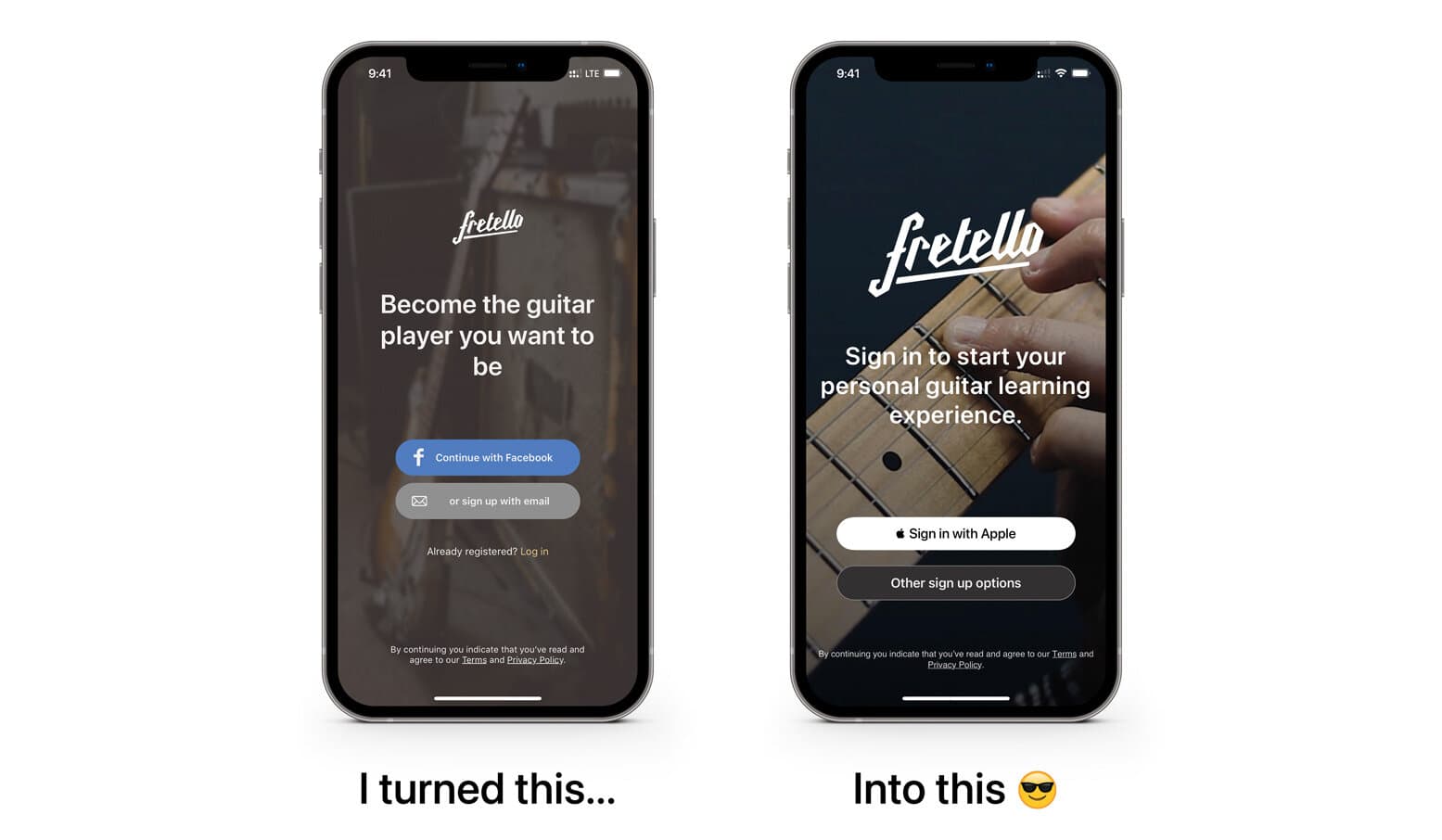
Sign-up before, after.
During the visit
The work around the keynote.
Apple was preparing to announce Core ML 3 and wanted partner apps to demonstrate it. Our pitch was Mirror UI: a visual layer showing where to put your fingers.
The Apple invitation came through a relationship with our CTO, Wolfgang Damm. I worked at Apple Park from 6 to 21 May 2019, under NDA, with regular check-ins with the Apple team. Mirror UI needed more data than we could gather before the keynote, so we pivoted to Sign in with Apple.
One night in San Jose, someone broke into our rental car and took our laptops and bags. When we told Apple the next morning, they replaced the equipment. That gesture stayed with me.
I owned the sign-up and onboarding redesign, Sign in with Apple integration, visual direction and motion. The wider Fretello role spanned 2018 → 2021; the keynote project was in 2019.
The new flow put Sign in with Apple in the primary position, with a visual direction that conveyed the feeling of picking up a guitar and learning to play. The Learn Path videos gave the surrounding space a rhythm.
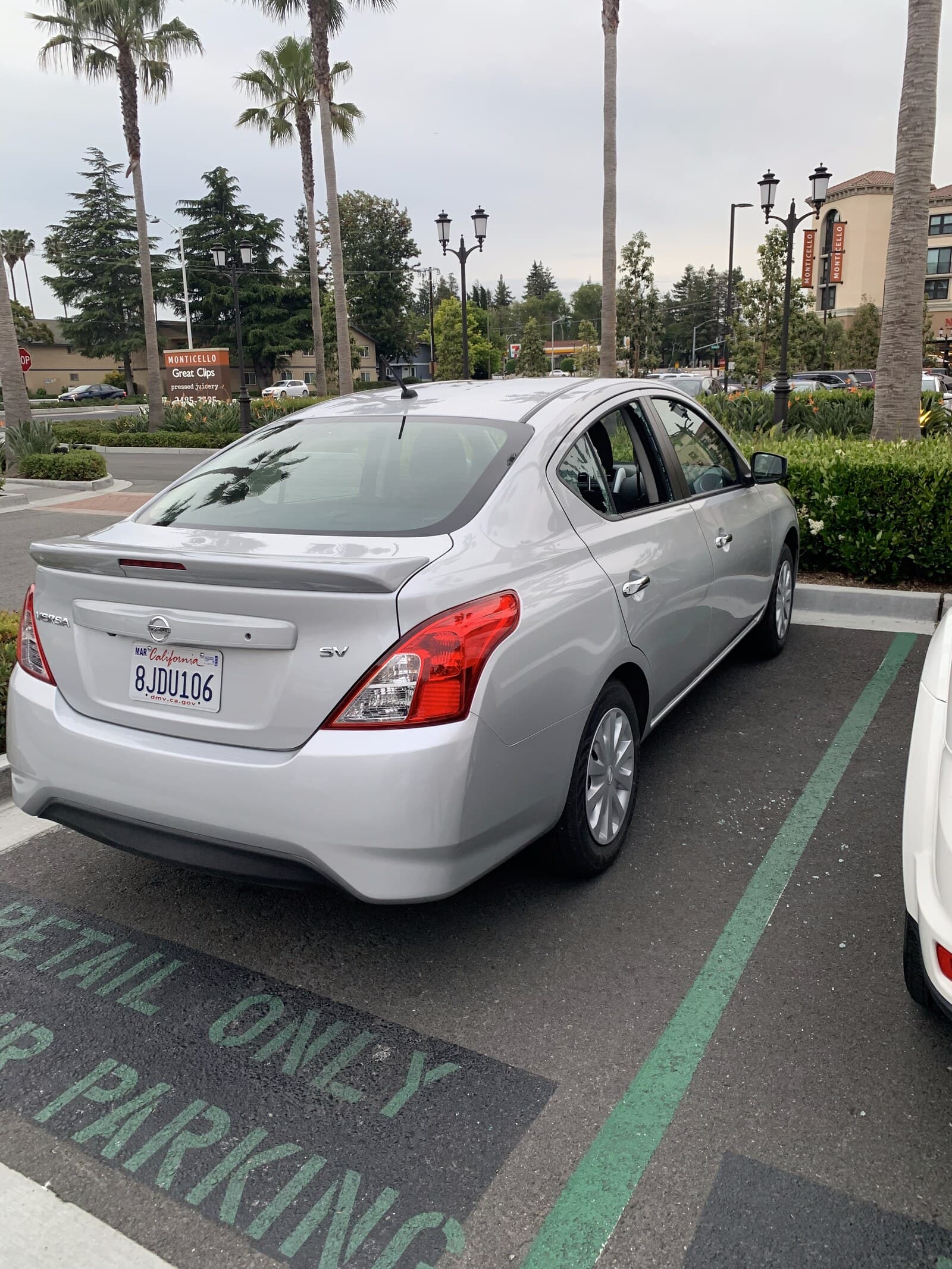
The rental car in San Jose, before the break-in.
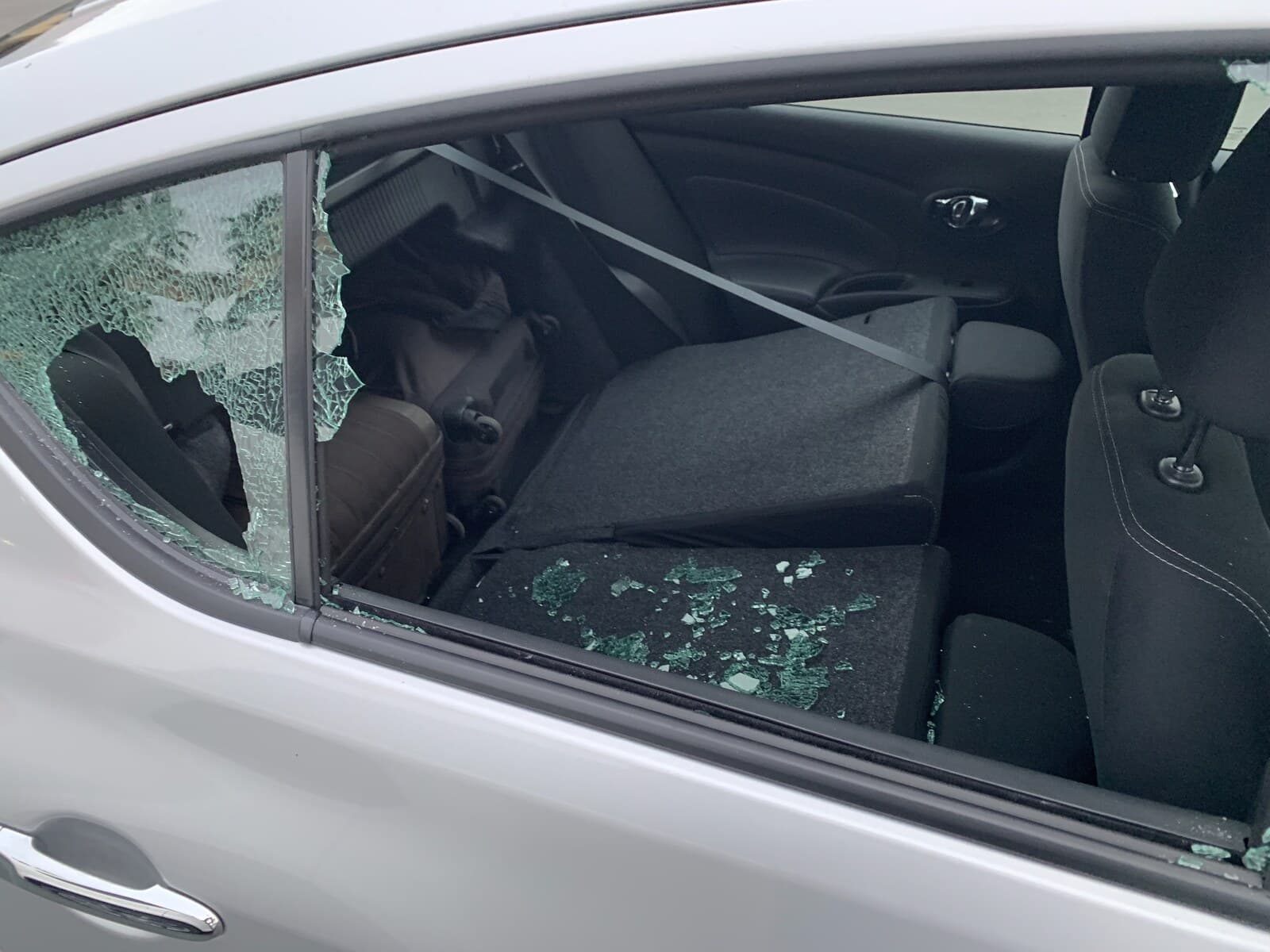
The broken rear window after the laptops and bags were taken.
04 · Disagreement
The listening feedback interrupted the music.
The technology could catch small mistakes while you played, and stop you. Testing suggested that felt wrong: playing is continuous and emotional, and stopping at every slip broke the experience.
I presented the evidence. The organisation had invested heavily in the approach and chose to ship. That was a legitimate call.
What we tested
Does the tech work?
It did. Mistakes were detected reliably and in real time.
What we should have tested first
Does the interaction premise work?
Interrupting a musician at every small mistake was the riskiest assumption. It needed testing before sunk cost made changing direction expensive.
Conviction and correctness are not the same thing.
After launch
What changed after.
Sign in with Apple became Fretello’s most popular sign-in method on iOS and macOS. Looking back, the lasting lesson was to give beginners a clear next step, and to test the interaction premise before investment made it expensive to change.
What I remember most, though, is his workshops. They never ended with vague alignment or nice ideas. They ended with real decisions and clear commitments from the team.

CTO & Co-Founder, Fretello